Na jardinagem, paisagismo e construção, o geotêxtil e a manta antiervas são frequentemente considerados o mesmo material. No entanto, eles apresentam diferenças claras em finalidade, composição e aplicações.Antes de tudo, precisamos entender suas definições: O geotêxtil refere-se principalmente ao geotêxtil não tecido utilizado em engenharia civil e projetos de construção. A manta antiervas inclui principalmente tecido antiervas tecido e manta agulhada de alta resistência, desenvolvidos para controle de ervas daninhas e aplicações de paisagismo.
O geotêxtil é um material têxtil permeável amplamente utilizado em engenharia civil e paisagismo para melhorar a estabilidade do solo, drenagem e filtragem.
Ele é fabricado principalmente em polipropileno (PP) ou poliéster (PET). Esses dois materiais diferem não apenas no desempenho, mas também no processo de fabricação. Os geotêxteis de PP normalmente são produzidos por extrusão em baixa temperatura e processos não tecidos agulhados, tornando-os econômicos e amplamente utilizados em projetos gerais de paisagismo e construção. Já os geotêxteis de poliéster exigem produção de fibras em temperaturas mais elevadas e geralmente são fabricados com estrutura de filamento contínuo, oferecendo maior resistência à tração e melhor durabilidade a longo prazo.
Os geotêxteis podem ser produzidos em duas formas principais: tecidos e não tecidos. Os geotêxteis tecidos são fabricados pelo entrelaçamento de fios de polipropileno para alcançar alta resistência, sendo amplamente utilizados para reforço do solo. Os geotêxteis não tecidos são produzidos pela união mecânica das fibras através de agulhamento, proporcionando excelente permeabilidade e desempenho de filtragem.
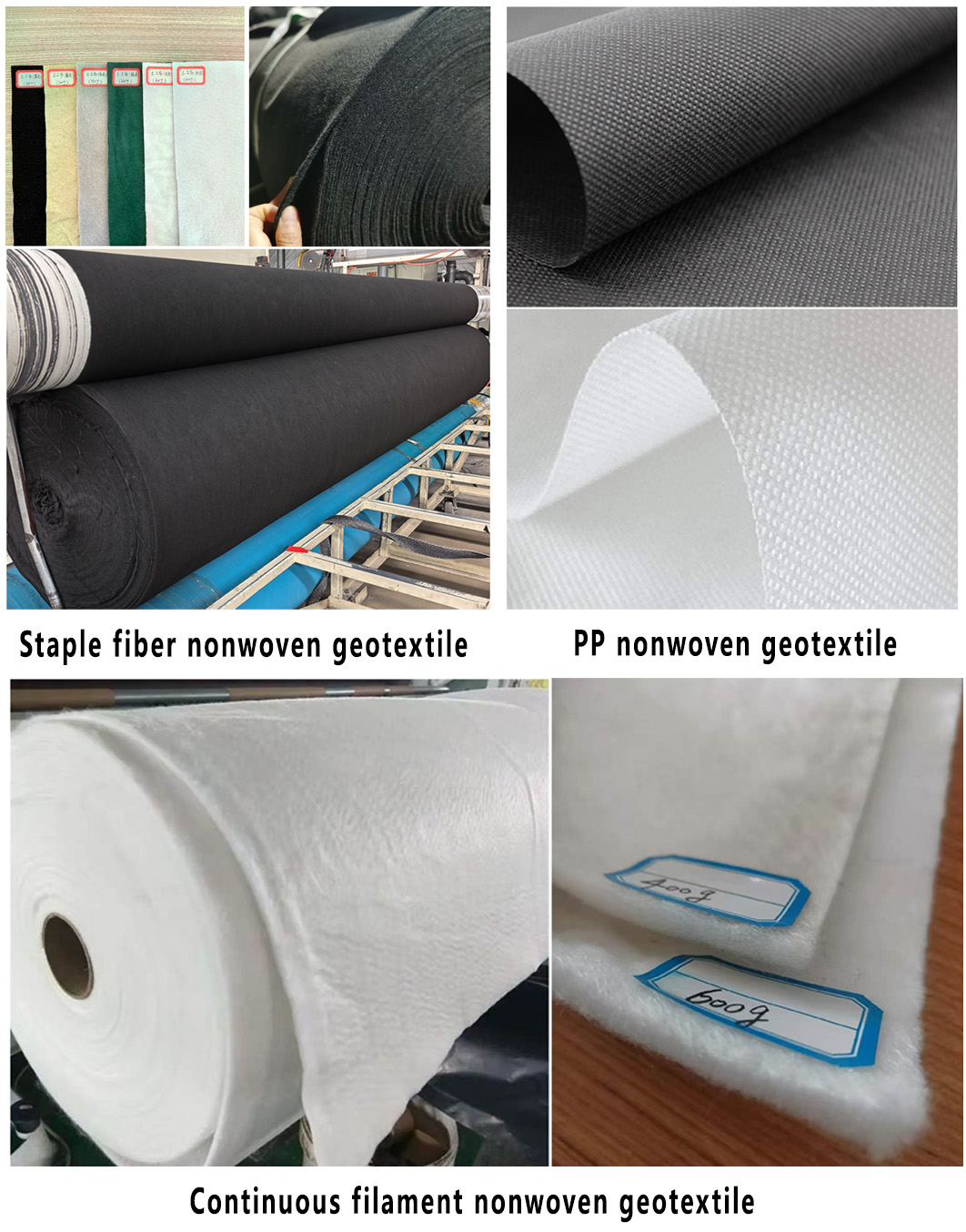
Separação do solo entre diferentes camadas
Drenagem e filtragem de água
Controle de erosão em encostas e estradas
Reforço de estruturas de solo fracas
Ao contrário da manta para controle de ervas daninhas, usada principalmente em jardinagem, a geotêxtil é projetada para aplicações de engenharia e estruturais, como estradas, aterros e sistemas de drenagem.
A manta antiervas, também conhecida como tecido antiervas, é um material permeável utilizado em paisagismo e jardinagem para impedir o crescimento de ervas daninhas, permitindo ao mesmo tempo a passagem de água, ar e nutrientes pelo solo.
Ela é normalmente fabricada em polipropileno (PP) e está disponível em diferentes estruturas, incluindo versões tecidas e não tecidas. De acordo com a resistência e as necessidades de aplicação, a manta antiervas pode ser classificada em modelos padrão para jardinagem e modelos reforçados de alta resistência.
A manta antiervas padrão é geralmente produzida em estrutura PP tecida ou não tecida e é utilizada para controle básico de ervas daninhas em canteiros, jardins e áreas paisagísticas.
A manta antiervas agulhada de alta resistência é fabricada com uma base de tecido antiervas tecido em PP combinada com reforço de fibras de poliéster (PET). Essa estrutura composta melhora a resistência à tração, resistência à perfuração e durabilidade, mantendo boa permeabilidade. É amplamente utilizada em áreas que exigem maior desempenho e vida útil mais longa.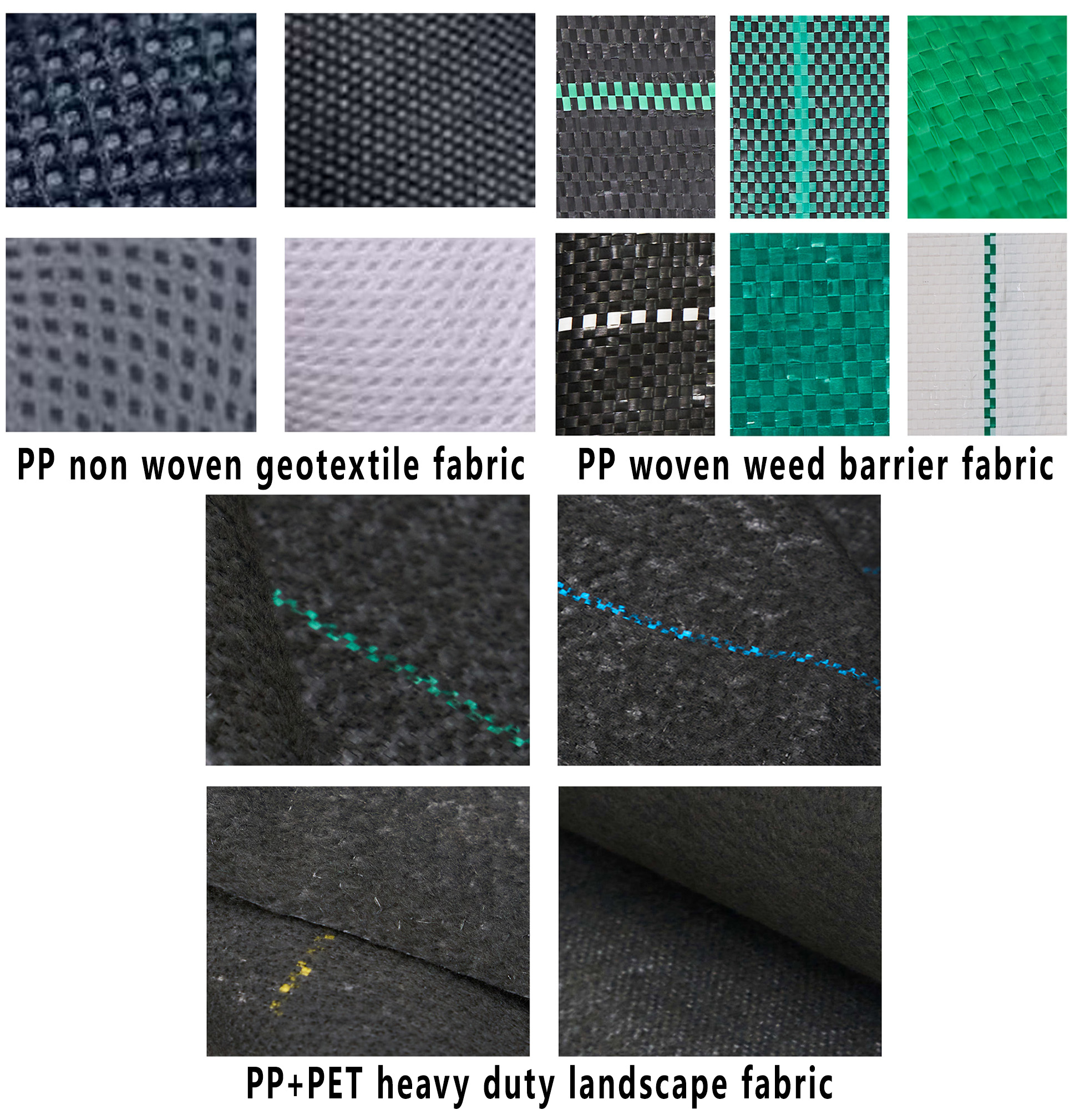
Controle de ervas daninhas em jardins
Canteiros de flores e hortas
Cobertura de solo para paisagismo
Regulação da umidade e temperatura do solo
Paisagismo de alta resistência e estabilização comercial do solo
Embora os diferentes tipos de manta antiervas variem em estrutura e resistência, sua principal função é bloquear a luz solar, impedir o crescimento de ervas daninhas e melhorar a eficiência do manejo do solo em aplicações residenciais e comerciais.

Embora o geotêxtil e a manta antiervas possam parecer semelhantes, eles são projetados para finalidades e níveis de desempenho diferentes. O geotêxtil é principalmente um material de engenharia utilizado na construção civil, enquanto a manta antiervas é um material de jardinagem focado no controle de ervas daninhas e proteção superficial do solo.
O geotêxtil é desenvolvido para aplicações estruturais e funcionais, como estabilização do solo, drenagem, filtração e reforço. É amplamente utilizado em projetos de infraestrutura, incluindo estradas, aterros e sistemas de controle de erosão.
A manta antiervas, por outro lado, é projetada para uso em paisagismo e jardinagem. Sua principal função é bloquear a luz solar e suprimir o crescimento de ervas daninhas, ao mesmo tempo que mantém a umidade do solo e permite a passagem de ar e água.
Os geotêxteis são geralmente fabricados em polipropileno (PP) ou poliéster (PET), dependendo dos requisitos de resistência e durabilidade. Versões reforçadas podem utilizar estruturas compostas, como base tecida de PP combinada com reforço de fibra de PET.
A manta antiervas é normalmente fabricada em polipropileno (PP) e está disponível em estruturas tecidas ou não tecidas. As versões padrão focam no controle de ervas daninhas, enquanto as versões reforçadas podem utilizar construção agulhada composta.
O geotêxtil geralmente oferece maior resistência à tração, resistência à perfuração e durabilidade de longo prazo, especialmente em aplicações de engenharia.
A manta antiervas é mais leve e projetada para durabilidade moderada, sendo adequada para jardinagem residencial e paisagismo leve, e não para cargas pesadas.
O geotêxtil oferece permeabilidade controlada, permitindo drenagem eficiente enquanto evita a migração e mistura de camadas de solo.
A manta antiervas oferece permeabilidade suficiente para irrigação e crescimento das plantas, mas seu principal objetivo é bloquear a luz solar e controlar ervas daninhas, e não desempenhar funções de engenharia do solo.
O geotêxtil é comumente utilizado em:
Construção de estradas e estabilização de base
Sistemas de drenagem
Controle de erosão em taludes
Reforço e separação do solo
A manta antiervas é comumente utilizada em:
Controle de ervas daninhas em jardins
Canteiros de flores e hortas
Cobertura de solo em paisagismo
Manutenção de áreas residenciais
O geotêxtil é um material de engenharia projetado para desempenho estrutural e gestão do solo, enquanto a manta antiervas é um material de jardinagem focado no controle de ervas daninhas e proteção superficial do solo.
Não, o geotêxtil e a manta antiervas não são a mesma coisa, embora possam parecer semelhantes e ambos sejam usados em aplicações relacionadas ao solo.
O geotêxtil é um material de engenharia utilizado em construção civil para estabilização do solo, drenagem, filtração e reforço. É comumente aplicado em estradas, aterros e projetos de infraestrutura que exigem alta resistência e durabilidade.
A manta antiervas, por outro lado, é um material de jardinagem e paisagismo projetado principalmente para supressão de ervas daninhas. Ela bloqueia a luz solar que permite o crescimento das ervas, ao mesmo tempo que permite a passagem de água e ar, sendo usada em canteiros, hortas e manutenção de jardins.
A principal razão para a confusão é que ambos são têxteis permeáveis usados em ambientes de solo e podem ser fabricados com materiais semelhantes, como polipropileno (PP). No entanto, sua estrutura, resistência e finalidade são diferentes.
Em geral, o geotêxtil é utilizado para desempenho estrutural e engenharia, enquanto a manta antiervas é usada para controle superficial de ervas daninhas.
O geotêxtil é uma categoria ampla de têxteis permeáveis usados em engenharia civil e paisagismo para estabilização, drenagem, filtração e reforço do solo. Pode ser fabricado em versões tecidas e não tecidas, dependendo da resistência necessária.
O tecido não tecido refere-se especificamente a um tipo de geotêxtil produzido pela união mecânica das fibras através de agulhamento ou ligação térmica, em vez de tecelagem. Possui estrutura semelhante a feltro, com alta permeabilidade e capacidade de filtração.
Em outras palavras, o tecido não tecido é uma subcategoria do geotêxtil, e não um material completamente separado. No entanto, o termo também é amplamente usado em produtos de jardinagem como a manta antiervas, onde o foco é o controle de ervas daninhas e não o desempenho estrutural.
Os geotêxteis não tecidos são geralmente mais pesados, resistentes e usados em construção e drenagem, enquanto os não tecidos de jardinagem são mais leves e usados em aplicações residenciais.
O geotêxtil é uma categoria ampla de têxteis permeáveis usados em engenharia civil e paisagismo para estabilização, drenagem, filtração e reforço do solo. Pode ser fabricado em versões tecidas e não tecidas, dependendo da resistência necessária.
O tecido não tecido refere-se especificamente a um tipo de geotêxtil produzido pela união mecânica das fibras através de agulhamento ou ligação térmica, em vez de tecelagem. Possui estrutura semelhante a feltro, com alta permeabilidade e capacidade de filtração.
Em outras palavras, o tecido não tecido é uma subcategoria do geotêxtil, e não um material completamente separado. No entanto, o termo também é amplamente usado em produtos de jardinagem como a manta antiervas, onde o foco é o controle de ervas daninhas e não o desempenho estrutural.
Os geotêxteis não tecidos são geralmente mais pesados, resistentes e usados em construção e drenagem, enquanto os não tecidos de jardinagem são mais leves e usados em aplicações residenciais.
A escolha entre geotêxtil e manta antiervas depende da aplicação e dos requisitos de desempenho.
Se o projeto envolve engenharia civil, como construção de estradas, sistemas de drenagem, estabilização do solo ou controle de erosão, o geotêxtil é a melhor opção, pois oferece alta resistência e durabilidade.
Se a aplicação é jardinagem ou paisagismo, como controle de ervas daninhas em canteiros, hortas ou manutenção de jardins, a manta antiervas é mais adequada.
Para projetos de paisagismo mais exigentes, pode-se utilizar manta antiervas reforçada (como base tecida em PP com reforço de fibra PET), que fica entre o material de jardinagem e o geotêxtil de engenharia.
Em resumo, a escolha depende de priorizar desempenho estrutural ou controle superficial de ervas daninhas.
Não. O geotêxtil é um material de engenharia usado em estabilização, drenagem e reforço do solo, enquanto a manta antiervas é usada principalmente para controle de ervas daninhas em jardinagem.
A manta antiervas é usada para suprimir o crescimento de ervas daninhas em jardins e áreas paisagísticas, permitindo a passagem de água e ar no solo.
O geotêxtil é usado em aplicações de engenharia civil, como construção de estradas, sistemas de drenagem, controle de erosão e estabilização do solo.
A manta antiervas geralmente está disponível em três tipos: tecido de PP, não tecido de PP e manta reforçada agulhada com base tecida em PP e reforço de fibra PET.
O geotêxtil tecido é produzido pelo entrelaçamento de fios de polipropileno, oferecendo alta resistência. O não tecido é produzido por agulhamento ou ligação térmica das fibras, oferecendo maior permeabilidade e filtração.
Depende da aplicação. O geotêxtil é melhor para engenharia e construção, enquanto a manta antiervas é mais adequada para jardinagem e controle de ervas daninhas.


